
The Foundation of Life
To understand biology, one must understand the relationship between amino acids, peptides, and proteins. Peptides are essentially the bridge between individual amino acid molecules and the complex protein structures that make up our muscles, skin, and vital organs.
The Chemical Bond
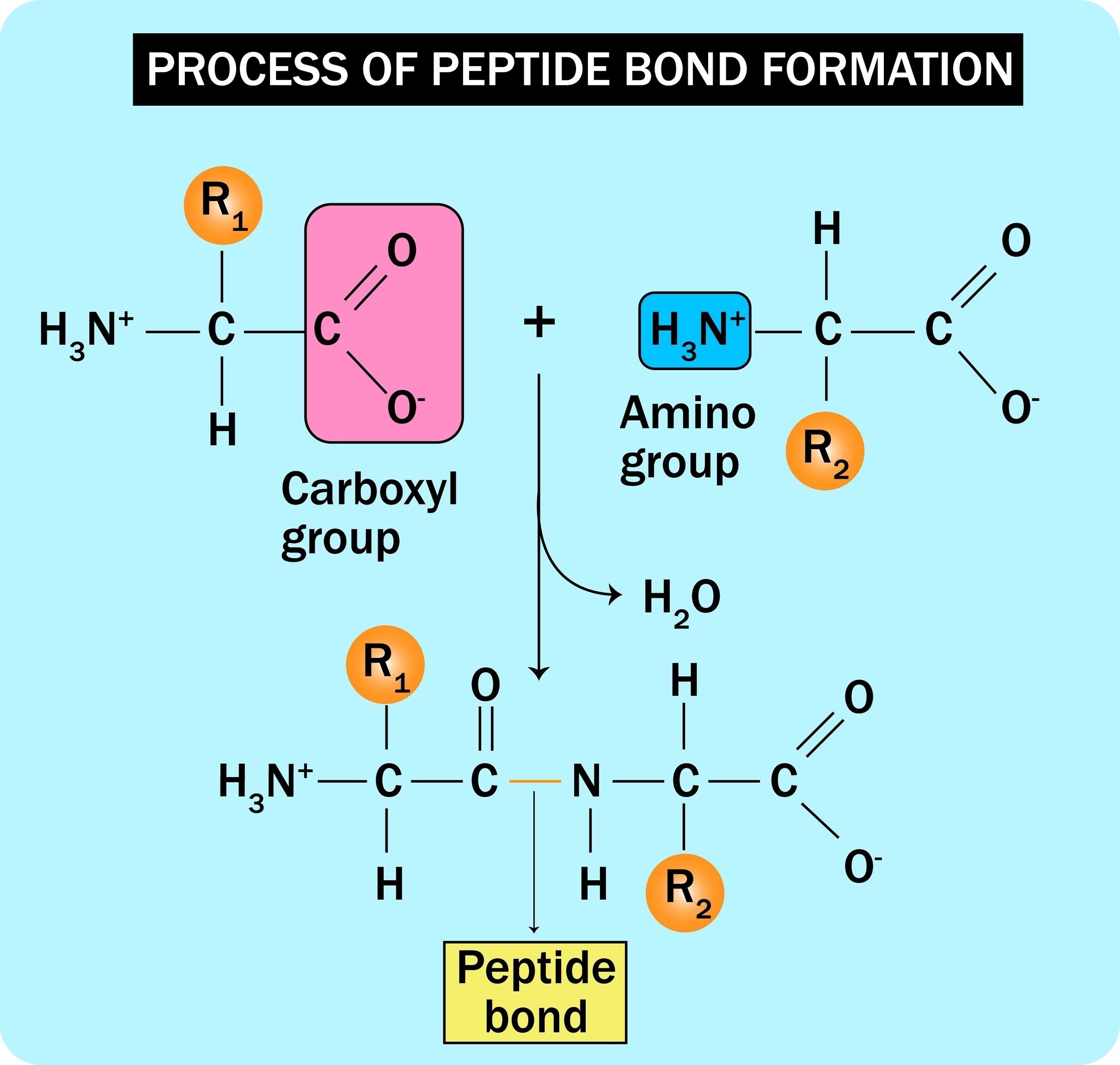
The heart of a peptide is the “amide bond,” also known as a peptide bond. This bond forms when the carboxyl group of one amino acid reacts with the amino group of another. This chemical reaction releases a molecule of water, creating a stable chain.
Distinguishing Peptides from Proteins
While both are made of amino acids, the difference lies in scale and folding. Proteins are large, complex structures that fold into specific shapes to perform tasks. Peptides are smaller and often linear, Buy Peptides acting more like the “keys” that fit into the “locks” of proteins.
Types of Peptides by Length
Peptides are categorized based on how many amino acids they contain. Dipeptides have two, tripeptides have three, and oligopeptides contain a small handful. Polypeptides are longer chains that eventually become the structural components of functional proteins.
The Synthesis Process
Inside the human cell, peptides are synthesized through a process called translation. Ribosomes read genetic code and assemble amino acids in a specific order. This sequence determines exactly what the peptide will do and how it will eventually fold into a protein.
Essential vs. Non-Essential Amino Acids
The building blocks of peptides come from the amino acids we consume or produce. There are twenty standard amino acids. Nine are “essential,” meaning they must come from our diet. The variety of peptides possible from these twenty building blocks is nearly infinite.
Folding and Functionality
Even though peptides are small, their sequence determines how they interact with other molecules. If the sequence is slightly altered, the resulting protein may not function correctly. This is why understanding the “building block” phase is vital for curing genetic diseases.
Peptides in Food and Nutrition
When we eat protein, our digestive system breaks it down into peptides and then into individual amino acids. These peptides are then reabsorbed and used to build new tissues. Buy Peptides Online cycle of breakdown and reconstruction is the fundamental process of human growth.
Laboratory Synthesis of Building Blocks
Scientists can now build peptides from scratch in a lab using Solid-Phase Peptide Synthesis (SPPS). This allows researchers to create specific building blocks for research. By manipulating these chains, we can create synthetic versions of natural proteins.
Summary of Biological Hierarchy
In the hierarchy of life, atoms form molecules, molecules form amino acids, amino acids form peptides, and peptides form proteins. Understanding this sequence is fundamental to all biological sciences. It highlights the intricate design of the human body at a microscopic level.