
Canada’s construction, landscaping, and resource sectors are experiencing a period of intense activity. From major urban infrastructure updates to remote forestry and mining projects, the demand for earthmoving equipment is at an all-time high. At the heart of almost every job site stands the excavator—a versatile machine designed to handle everything from deep trenching and demolition to precision grading and heavy lifting.
For contractors, independent owner-operators, and fleet managers, acquiring a new or late-model excavator is an exciting milestone that promises to increase productivity and unlock bigger, more lucrative project bids. However, these heavy machines represent a substantial capital commitment. Buying an industrial excavator outright with working cash flow can severely drain a company’s liquid reserves, leaving it vulnerable to seasonal slowdowns or unexpected emergency expenses.
To maintain liquidity while scaling operations, savvy business owners are increasingly looking at structured lending pathways, finding tailored excavator financing to be a strategic alternative to outright purchasing.
The Strategic Importance of the Right Excavator
The modern excavator is far more than just a cab with a bucket attached. Engineering advancements have transformed these machines into precision-controlled, highly specialized assets. Choosing the right machinery can completely change a company’s efficiency profile.
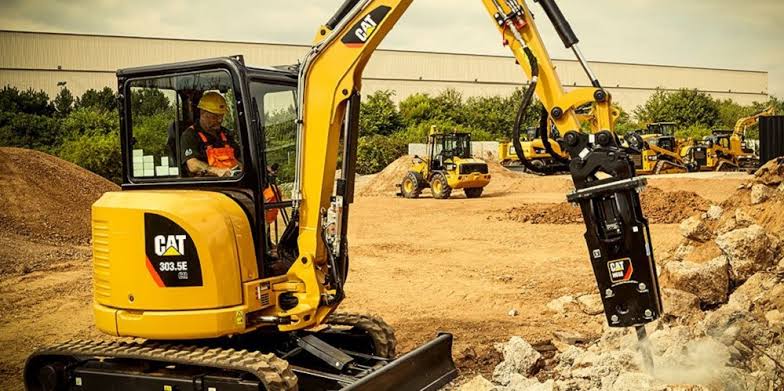
Versatile mini excavator handling precision site work. Source: NMC Cat
Heavy equipment needs generally fall into distinct operational categories, each carrying its own pricing and financing profile:
- Mini and Compact Excavators: Ranging from 1 to 10 metric tons, these agile units are the darlings of residential landscapers, utility contractors, and urban developers. They can maneuver through tight alleyways, work inside buildings, and minimize surface disruption, all while running a variety of hydraulic attachments like augers and breakers.
- Standard and Medium Excavators: Operating between 10 and 45 tons, these workhorses form the backbone of commercial construction, road-building projects, and large-scale utility installations. They offer the reach, depth, and bucket capacities needed to move serious volumes of earth daily.
- Large and Heavy-Duty Excavators: Exceeding 45 tons, these massive machines are built exclusively for high-production environments like open-pit mining, heavy civil engineering infrastructure, and mass demolition projects.
Because a single mid-sized excavator can easily range from $100,000 to well over $400,000, acquiring this machinery requires a sound financial framework that preserves a business’s operational agility.
Why Equipment-Specific Financing Trumps Standard Bank Loans
When it is time to expand a fleet, many business owners make the mistake of approaching their everyday commercial bank for a standard business loan or a line of credit. While traditional banks serve a purpose, they are often ill-equipped to handle the nuances of heavy machinery acquisition.
Traditional banks often look at a business’s balance sheet with a rigid, risk-averse lens. They might require a company to pledge personal assets or accounts receivable as collateral, or they may take months to process paperwork, causing the business to lose out on a prime piece of inventory or miss a crucial project deadline.
Dedicated equipment financing platforms operate under a completely different paradigm. Because these lenders understand the intrinsic, long-term market value of the machinery itself, the excavator acts as the primary collateral for the loan. This sector-specific knowledge unlocks multiple advantages for the borrower:
1. Accelerated Approval Cycles
In commercial construction, missing a project deadline because you lack the proper machinery can destroy client relationships and lead to costly penalties. Equipment financing brokerages can often secure approvals within 24 to 48 hours, allowing contractors to secure machinery quickly and deploy it directly to the field.
2. Tailored Seasonal Payment Schedules
The Canadian climate introduces undeniable seasonality to outdoor operations. A landscaping or paving contractor might experience massive cash inflows from May through October, followed by leaner winter months. Specialized lenders can structure “seasonal” or “skip” payment plans, where monthly liabilities decrease or pause entirely during predictable off-season stretches.
3. Preserved Corporate Credit Lines
By utilizing an isolated asset-backed loan for an excavator, your existing bank lines of credit remain completely untouched. This preserves your primary bank credit for operational necessities like covering weekly payroll, purchasing bulk materials, or funding unexpected emergency repairs.
Choosing Between Leases and Equipment Financing Agreements
One of the first decisions a business owner must make when structuring a deal is selecting the financial vehicle that best aligns with their long-term corporate goals and tax strategy. The two primary options each offer distinct financial advantages.
Capital Leases (and Lease-to-Own)
A capital lease operates under the assumption that the business intends to own the excavator at the end of the term. These structures often feature a nominal buyout option at conclusion, such as a “$1 Buyout” or a pre-determined “10% Purchase Option.” This path is ideal for contractors who plan to run the excavator long-term, maintain it carefully, and absorb it directly into their permanent corporate asset portfolio.
Operating Leases (Fair Market Value Leases)
For companies that prefer to cycle through fresh machinery every three to five years to avoid out-of-warranty maintenance costs and maximize technological upgrades, an operating lease is a great choice. At the end of the term, the business can simply return the excavator to the lender, upgrade to a brand-new model, or purchase the unit for its remaining Fair Market Value (FMV). This keeps monthly outlays low and avoids the burden of dealing with depreciating asset disposal.
Securing competitive financing terms involves being well-prepared and organized. While modern brokerages have streamlined the process, having your financial portfolio in order ensures a smooth transaction.
1
Define Your Operational and Budget Parameters
Step 1
1.Define Your Operational and Budget Parameters:Step 1.
Analyze your upcoming contract pipeline to determine the exact size, weight class, and hydraulic configurations your projects require. Establish a target monthly payment that your projected revenue can easily support.
2
Gather Your Corporate Documentation
Step 2
2.Gather Your Corporate Documentation:Step 2.
Prepare your essential business files. For smaller mini-excavator deals, lenders may only require basic “application-only” details. For larger, heavy-duty machines, be ready to provide recent corporate tax returns, year-to-date balance sheets, profit-and-loss statements, and copies of active job contracts.
3
Secure Digital Pre-Approval
Step 3
3.Secure Digital Pre-Approval:Step 3.
Submit an application through a specialized commercial equipment financing platform. Securing a firm pre-approval details your borrowing power, interest rates, and down payment requirements before you walk onto a dealership lot or browse private sales listings.
4
Select and Coordinate the Asset Details
Step 4
4.Select and Coordinate the Asset Details:Step 4.
Once pre-approved, finalize the purchase details of the chosen machine. Your financing partner will review the invoice or private sale agreement, complete a comprehensive title and lien check to ensure clean ownership transfer, and coordinate the direct wire transfer to the seller.
Overcoming Credit Obstacles in the Construction Sector
The volatile nature of the construction and contracting sectors means that credit profiles aren’t always perfect. Supply chain bottlenecks, delayed client payouts, or sudden project cancellations can cause temporary cash-flow issues that dent a business owner’s personal or corporate credit rating.
Fortunately, modern equipment financing networks do not view a less-than-perfect credit score as an immediate dealbreaker. Because excavators hold strong, quantifiable residual value in the secondary market, specialized alternative lenders are highly comfortable looking past historic credit blemishes. Instead, they focus heavily on the real-world utility of the equipment, the strength of the borrower’s current active contracts, and their overall industry experience.
Pro Tip: New business startups and newly incorporated owner-operators can often secure excavator loans by showing a strong resume of past hands-on experience in the trade, or by providing a modest down payment to reduce the lender’s initial loan-to-value exposure.
Maximizing Growth and Protecting Cash Flow
In a competitive market, the companies that thrive are those that deploy their capital strategically. Sinking massive amounts of upfront cash into a depreciating piece of heavy machinery can restrict your operational flexibility and slow down your business growth.
By leveraging structured excavator financing, Canadian contractors can confidently acquire the precise earthmoving power they need to win larger bids, increase daily on-site efficiency, and keep their core capital working where it matters most—growing the business.