
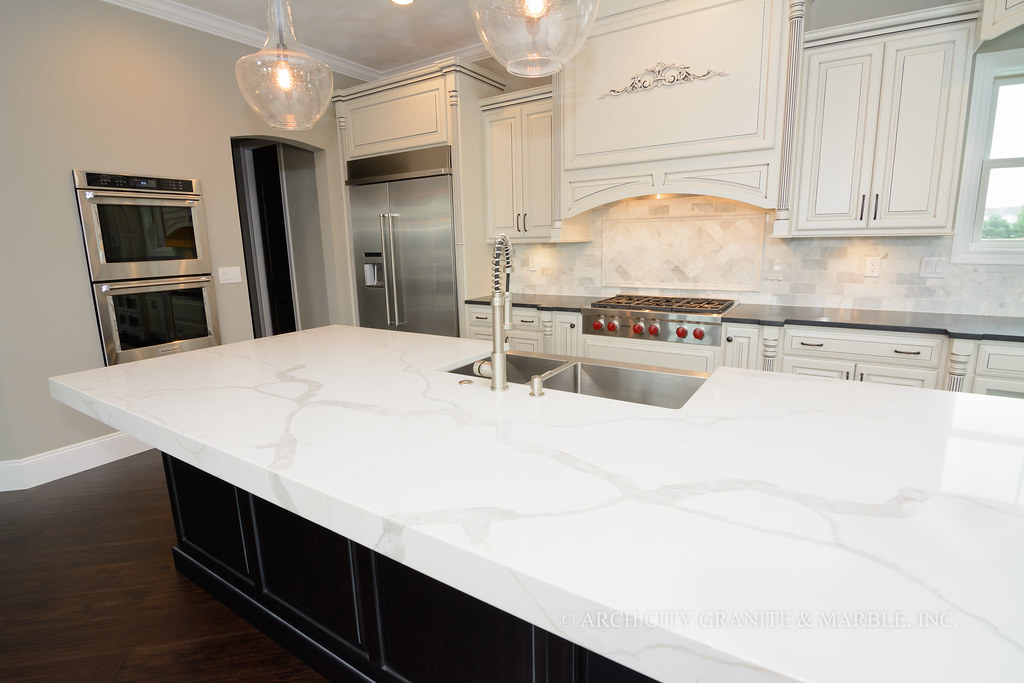
Selecting the right cabinets is one of the most critical decisions in a kitchen renovation. Cabinets not only serve as essential storage but also significantly influence the overall aesthetics and functionality of the kitchen. Here’s a comprehensive guide on how to choose cabinets that align with your style, needs, and budget.
1. Define Your Style
Before you start exploring cabinet options, take time to define your style. Are you drawn to modern minimalism, rustic charm, or traditional elegance? Understanding your design preferences will help you choose cabinets that complement the overall look of your kitchen.
1.1 Create a Mood Board
Creating a mood board can help visualize your kitchen’s aesthetic. Collect images, color swatches, and materials that resonate with your vision. This process can guide your cabinet selection and ensure consistency throughout kitchen renovation.
2. Consider Functionality
Functionality should be a top priority when selecting cabinets. Think about how you use your kitchen and what features will make it more efficient. This includes assessing your storage needs and considering how you’ll organize kitchen essentials.
2.1 Assess Storage Needs
Evaluate what items you need to store in your cabinets. Consider incorporating features like pull-out shelves, deep drawers for pots, and designated spaces for small appliances. Cabinets should enhance your workflow and help keep the kitchen organized.
3. Choose the Right Material
The material of your cabinets can influence both durability and aesthetics. Here are common options:
3.1 Solid Wood
Solid wood cabinets are a popular choice due to their durability and timeless appeal. They can be stained or painted to fit your design preferences. However, they can be more expensive than other options.
3.2 Plywood
Plywood cabinets offer a good balance of cost and durability. They are less prone to warping and are often used as a core material for cabinet construction.
3.3 MDF (Medium Density Fiberboard)
MDF is a cost-effective option that is smooth and easy to paint. It can give the appearance of solid wood when finished but is less durable than wood or plywood.
3.4 Particle Board
Particle board is the least expensive option but also the least durable. It’s often used for budget-friendly cabinets. If you choose this material, look for options with a thick veneer to improve durability.
4. Select the Finish and Color
The finish and color of your cabinets will significantly impact your kitchen’s overall look. Here are some options to consider:
4.1 Classic White
White cabinets are timeless and create a fresh, airy feel. They pair well with almost any color scheme and can make a small kitchen feel larger.
4.2 Bold Colors
For a more modern look, consider cabinets in bold colors like navy blue, forest green, or deep gray. These options can serve as statement pieces and add visual interest.
4.3 Natural Wood Finishes
Natural wood finishes, such as oak, maple, or walnut, provide warmth and character. They can be stained to enhance the grain and complement rustic or traditional designs.
5. Understand Different Cabinet Styles
Familiarize yourself with various cabinet styles to find one that aligns with your vision:
5.1 Shaker Cabinets
Shaker cabinets feature a simple, clean design that fits well in both modern and traditional kitchens. Their flat panel and minimalistic style appeal to many homeowners.
5.2 Flat-Panel Cabinets
Flat-panel cabinets offer a sleek, contemporary look. They are often found in modern kitchens and are available in various materials and colors.
5.3 Raised-Panel Cabinets
These cabinets have a more traditional appearance, featuring a raised center panel. They often include decorative details, making them suitable for classic or Mediterranean-style kitchens.
5.4 Glass-Front Cabinets
Glass-front cabinets allow you to display dishware or decorative items. They add depth and elegance to the kitchen while making it feel more open.
6. Budget Accordingly
Cabinet costs can vary significantly depending on material, style, and finish. Set a budget that reflects your needs and prioritize accordingly. Research prices and options to find a balance between quality and affordability.
7. Consult a Professional
If you’re unsure about cabinet selection, consider consulting a kitchen designer or cabinet specialist. They can provide insights tailored to your space, needs, and style.
8. Read Reviews and Testimonials
Lastly, read reviews and testimonials about specific brands and cabinet options. Feedback from other homeowners can provide valuable insights into quality, durability, and customer service.
Conclusion
Choosing cabinets for your kitchen renovation is a decision that requires careful consideration of style, functionality, and budget. By defining your aesthetic, assessing your needs, and understanding material options, you can select cabinets that will enhance your kitchen both practically and aesthetically. Take your time in this process, as well-planned choices will contribute to a beautiful and functional kitchen space that you’ll love for years to come. Happy renovating!